How might extinction flatten our memory of birds?
North America has lost three billion birds since 1970 so total extinction is imaginable, if unpleasant. Recently, wallowing in a gloomy mood, I imagined how humanity might remember birds a few thousand years after their extinction.
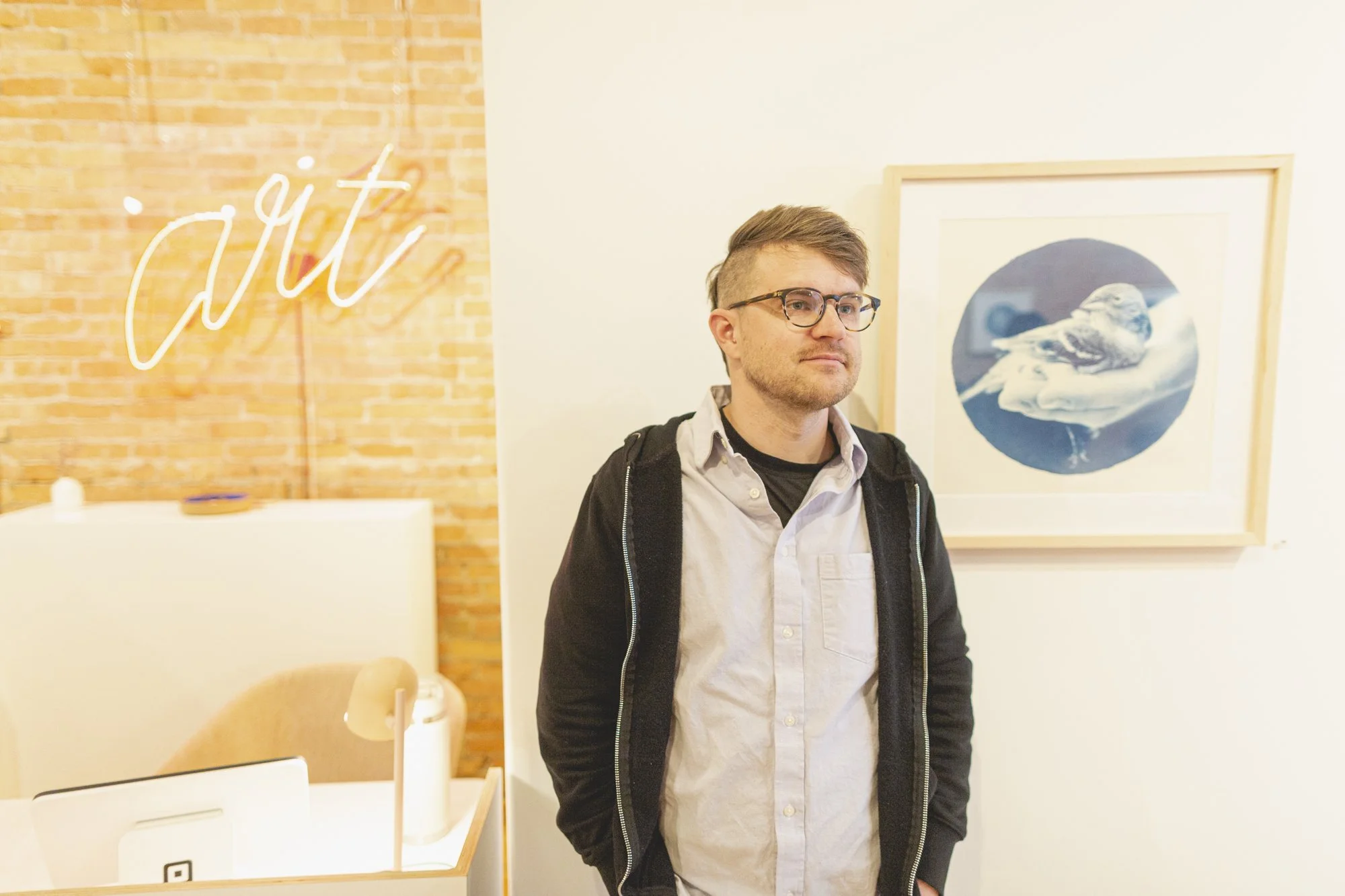
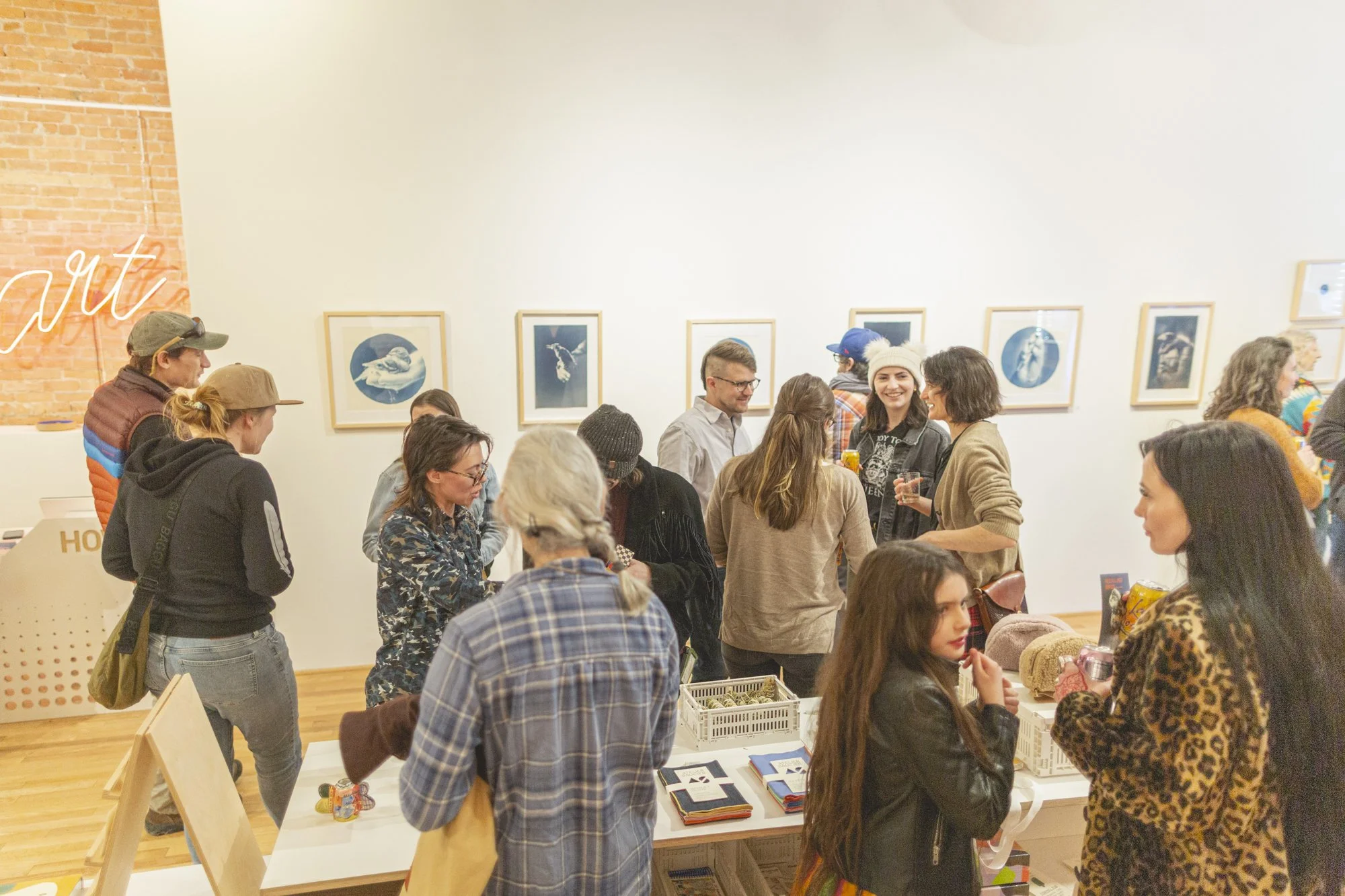
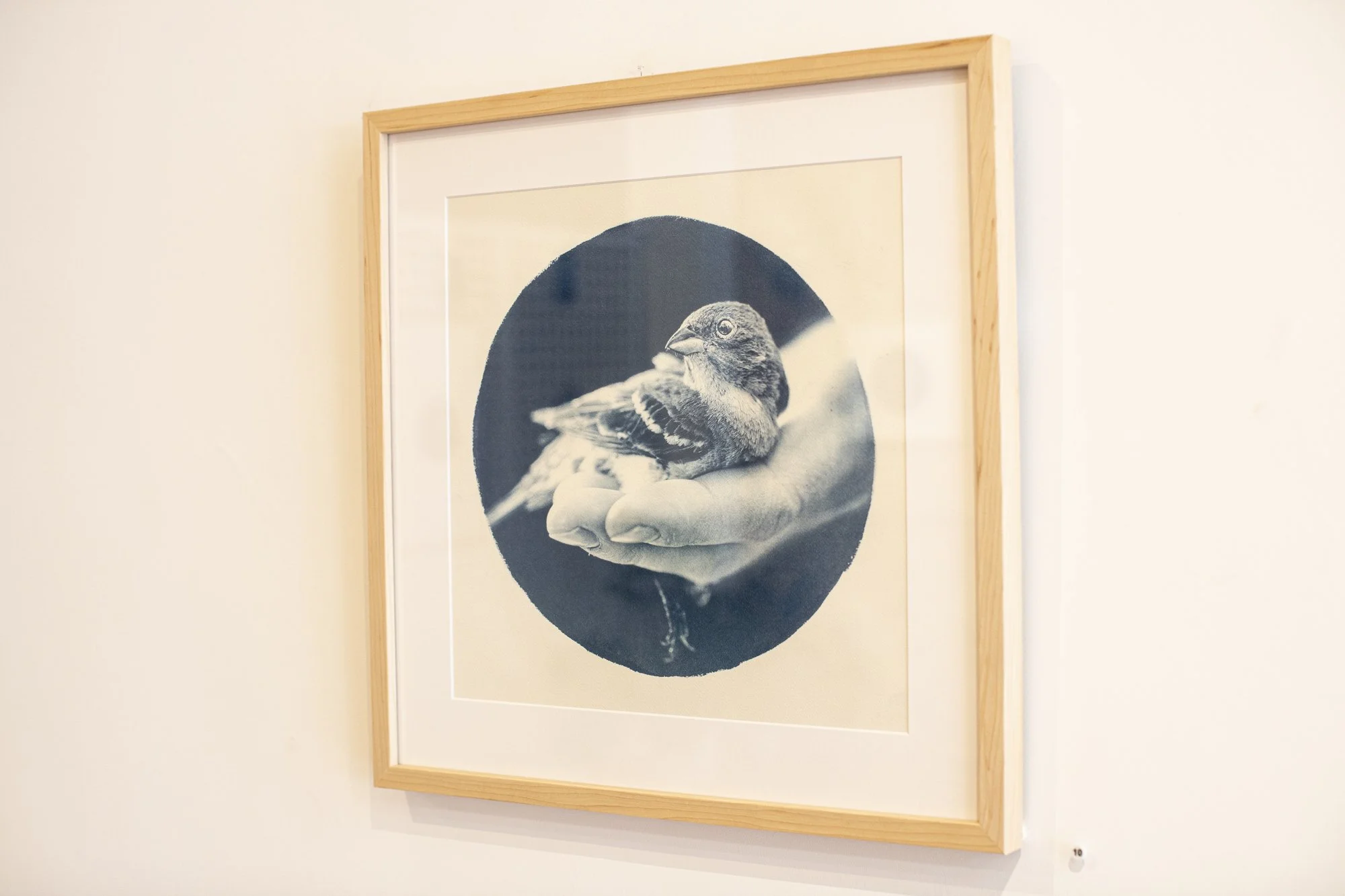
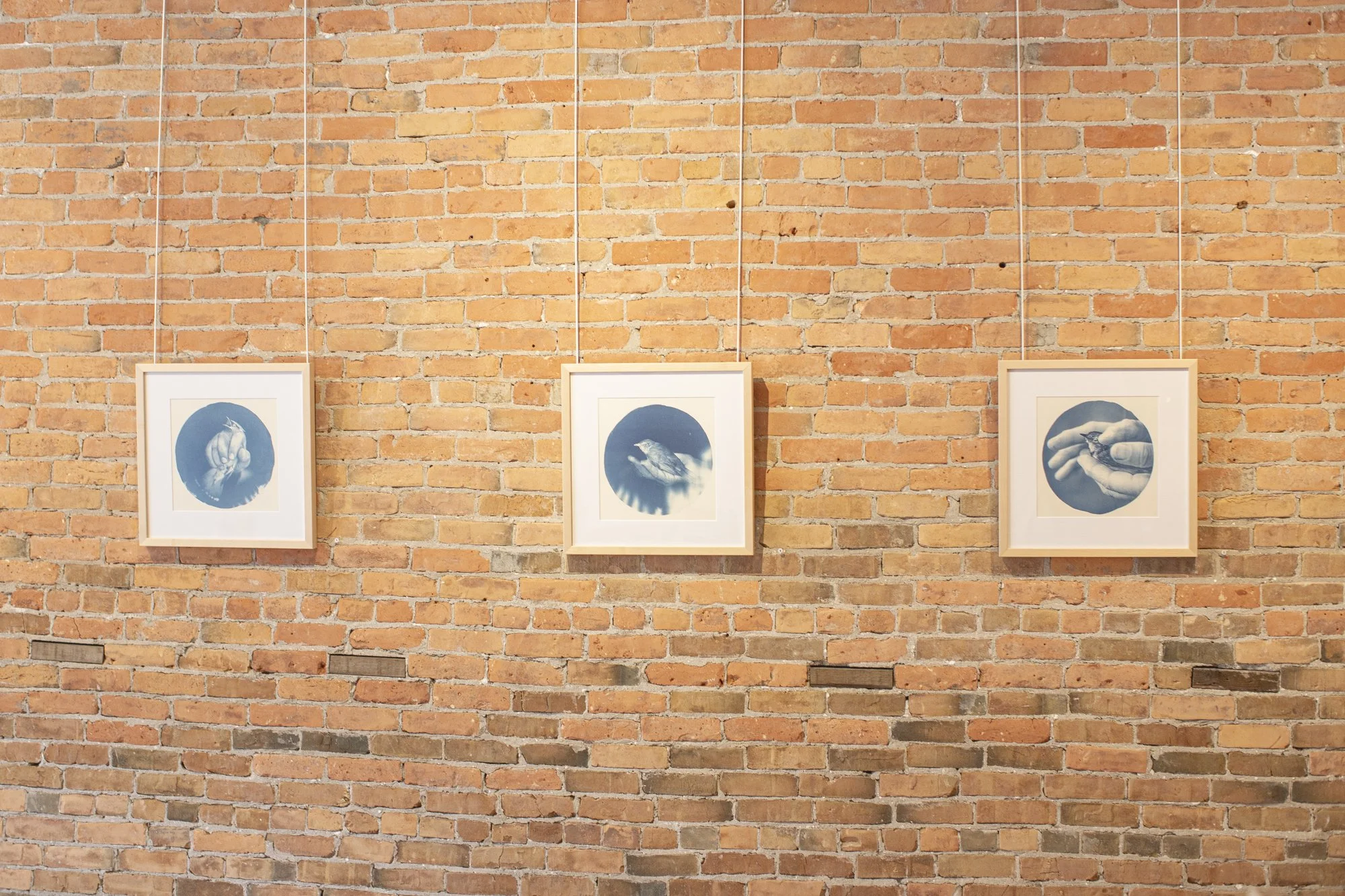
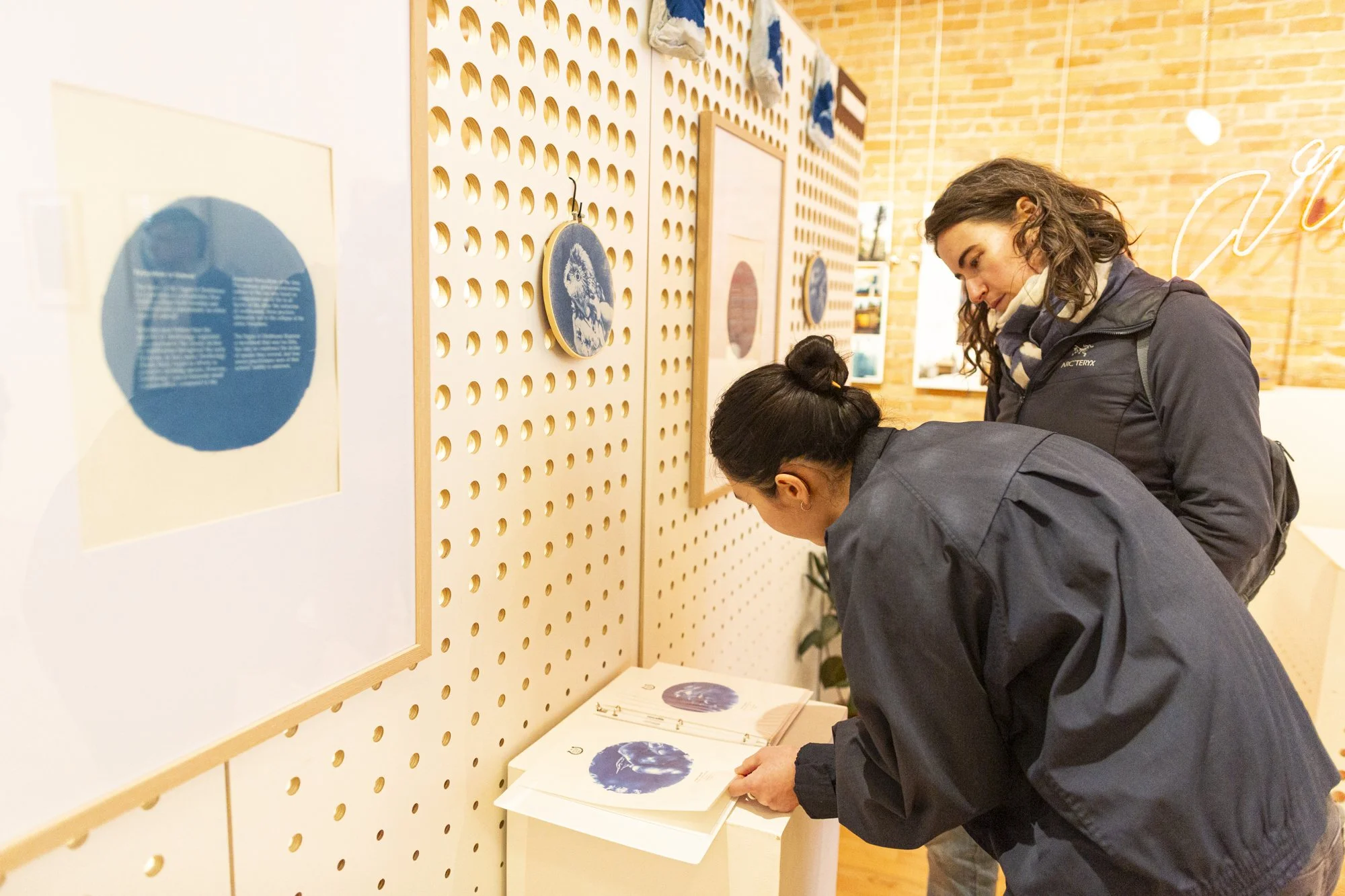
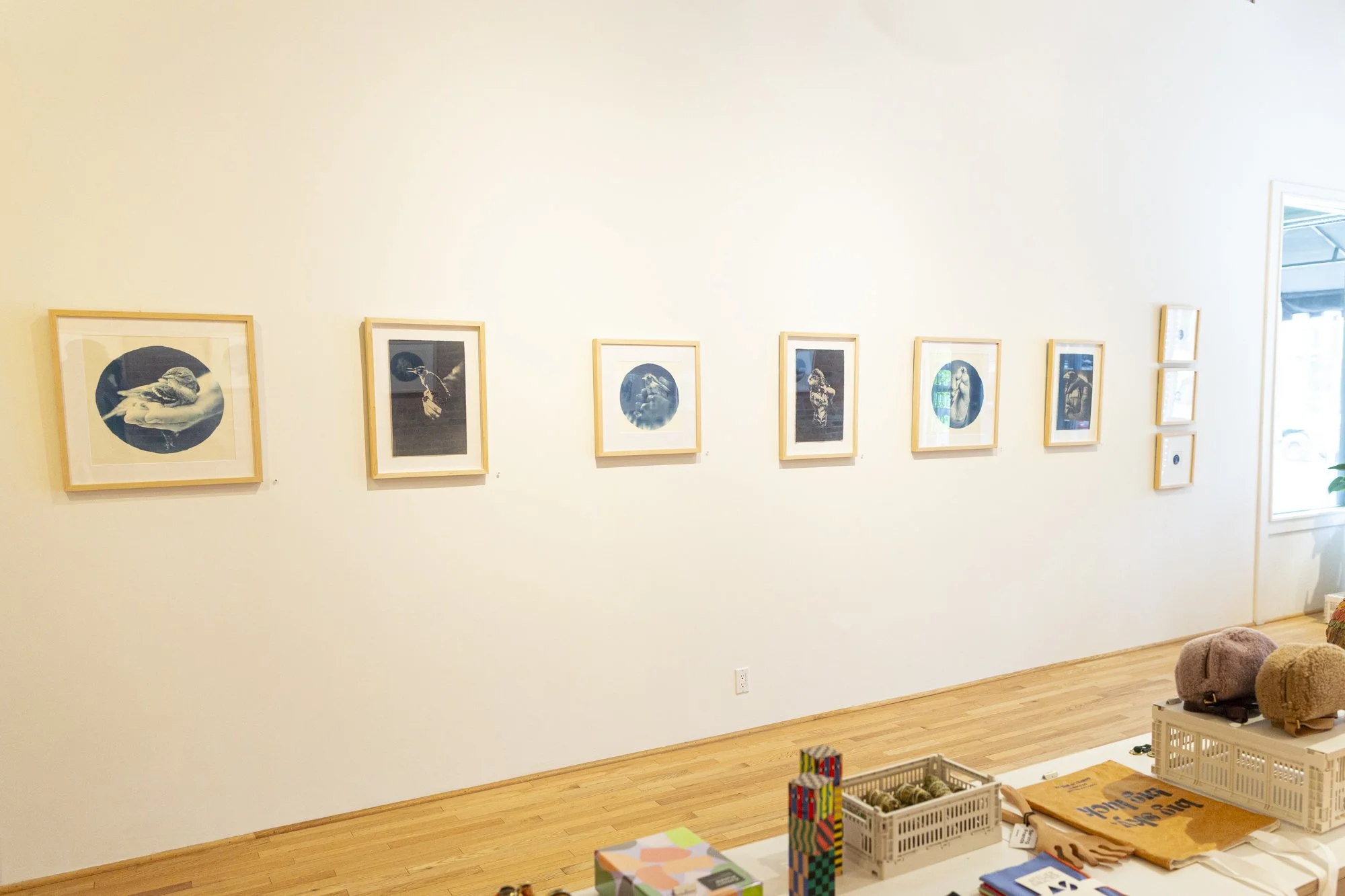
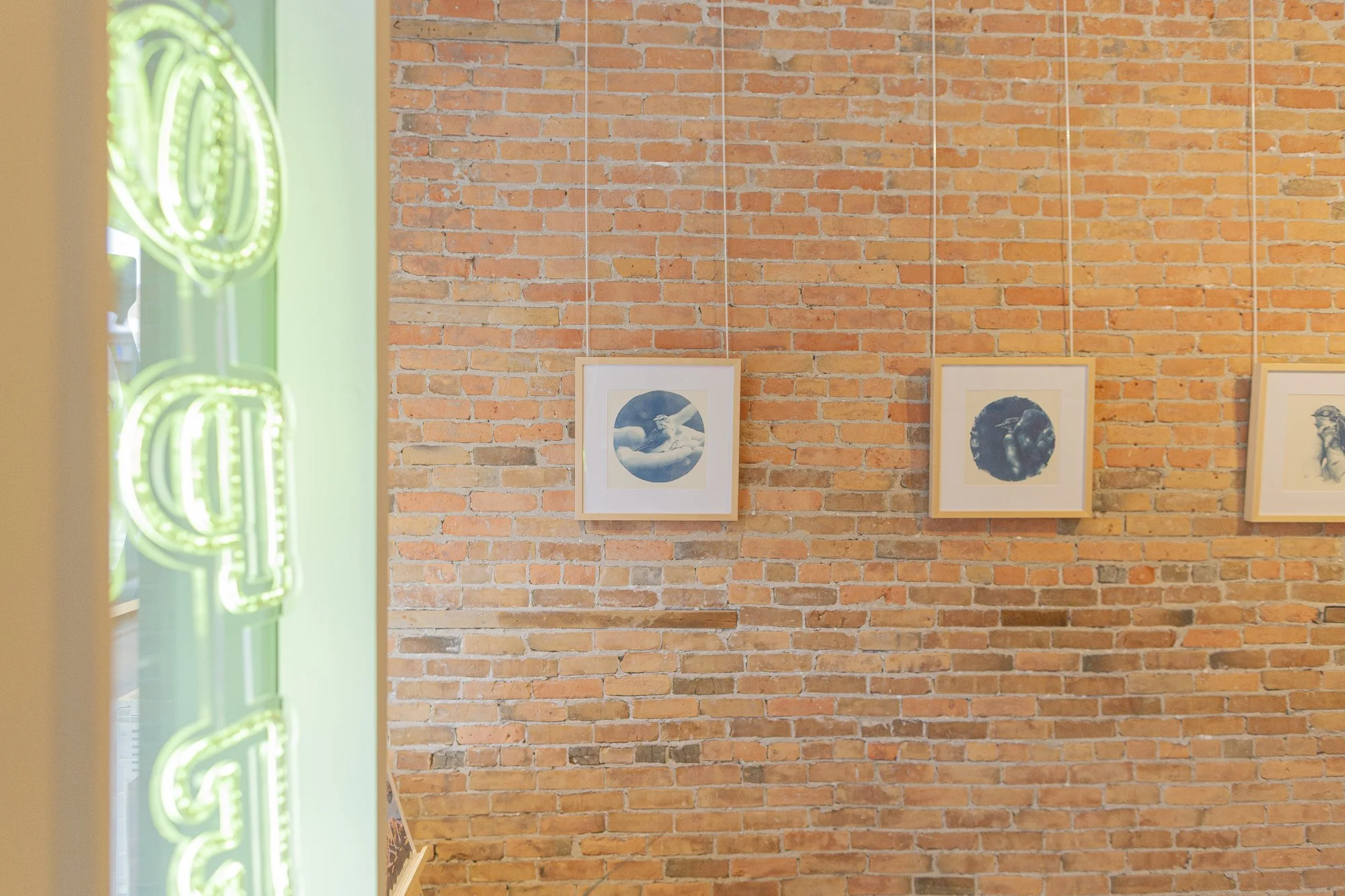
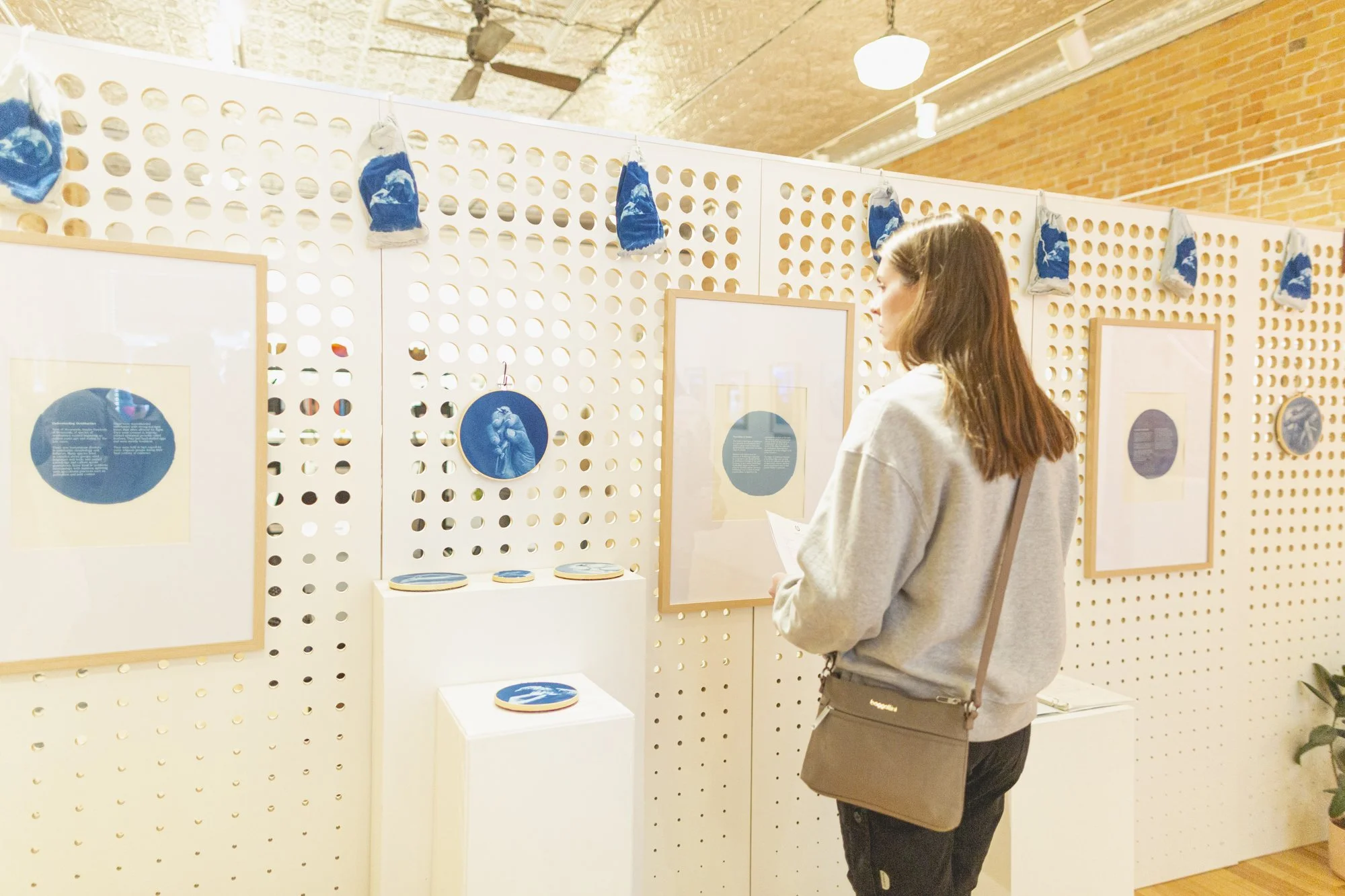
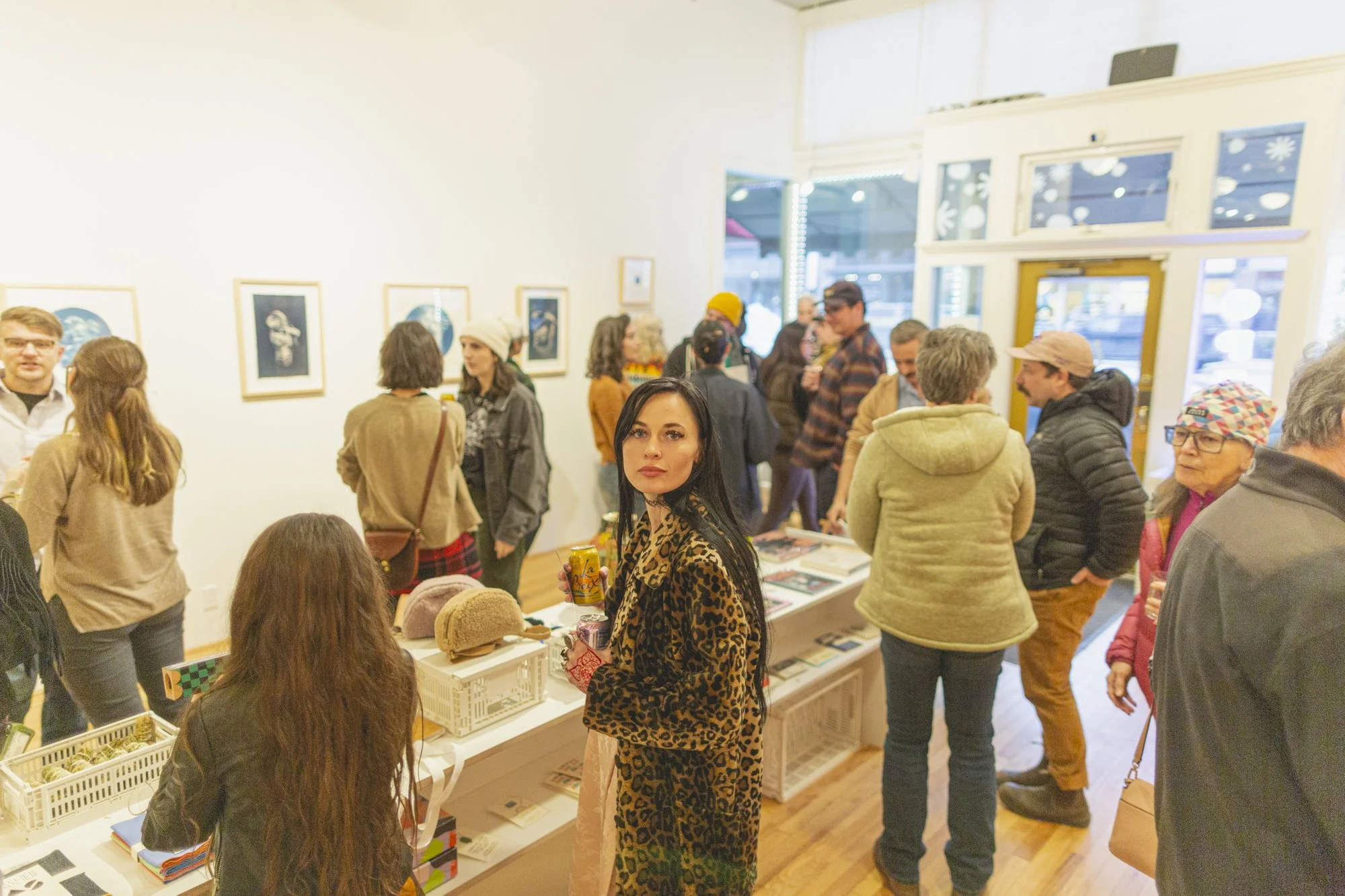
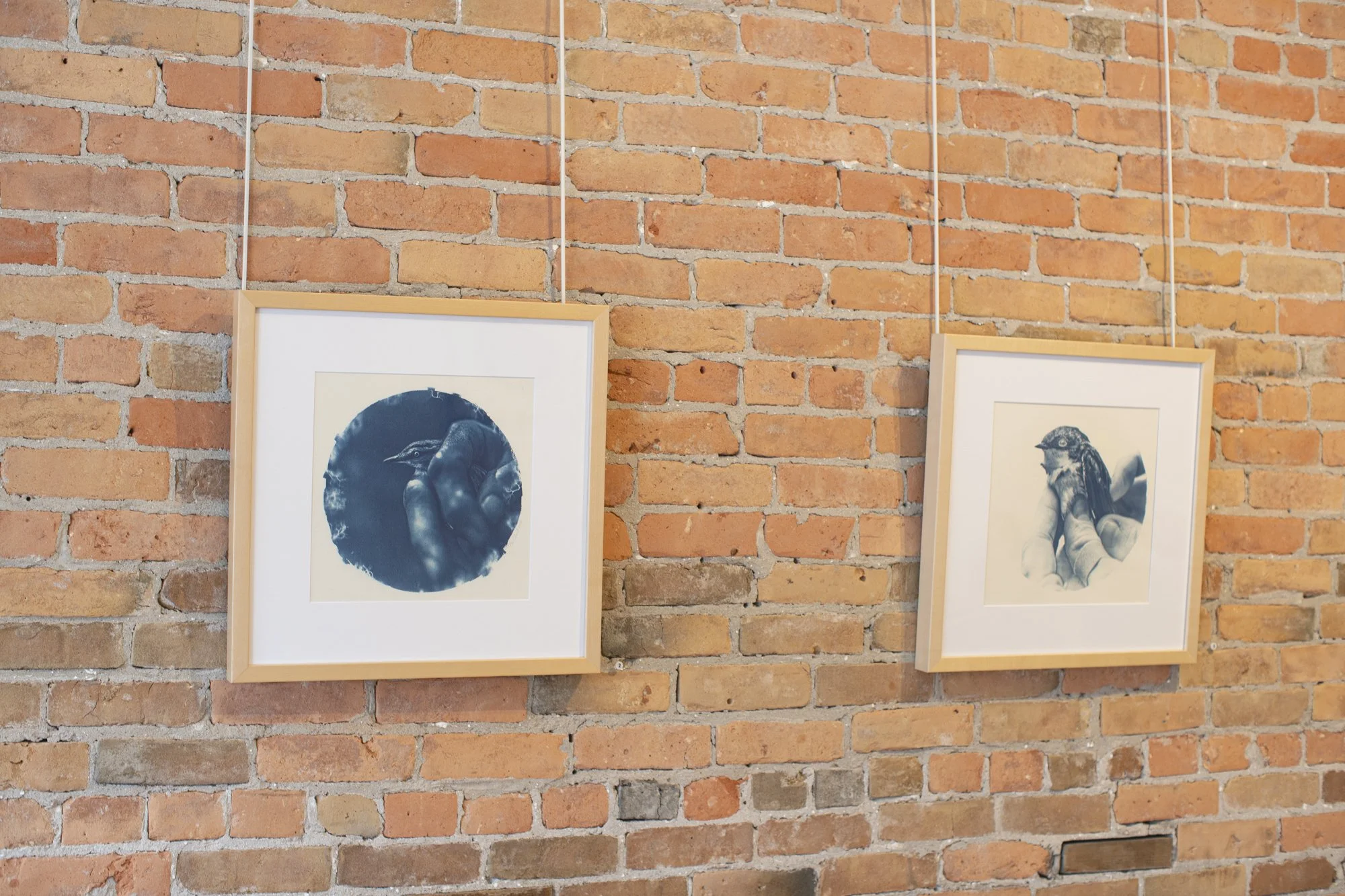
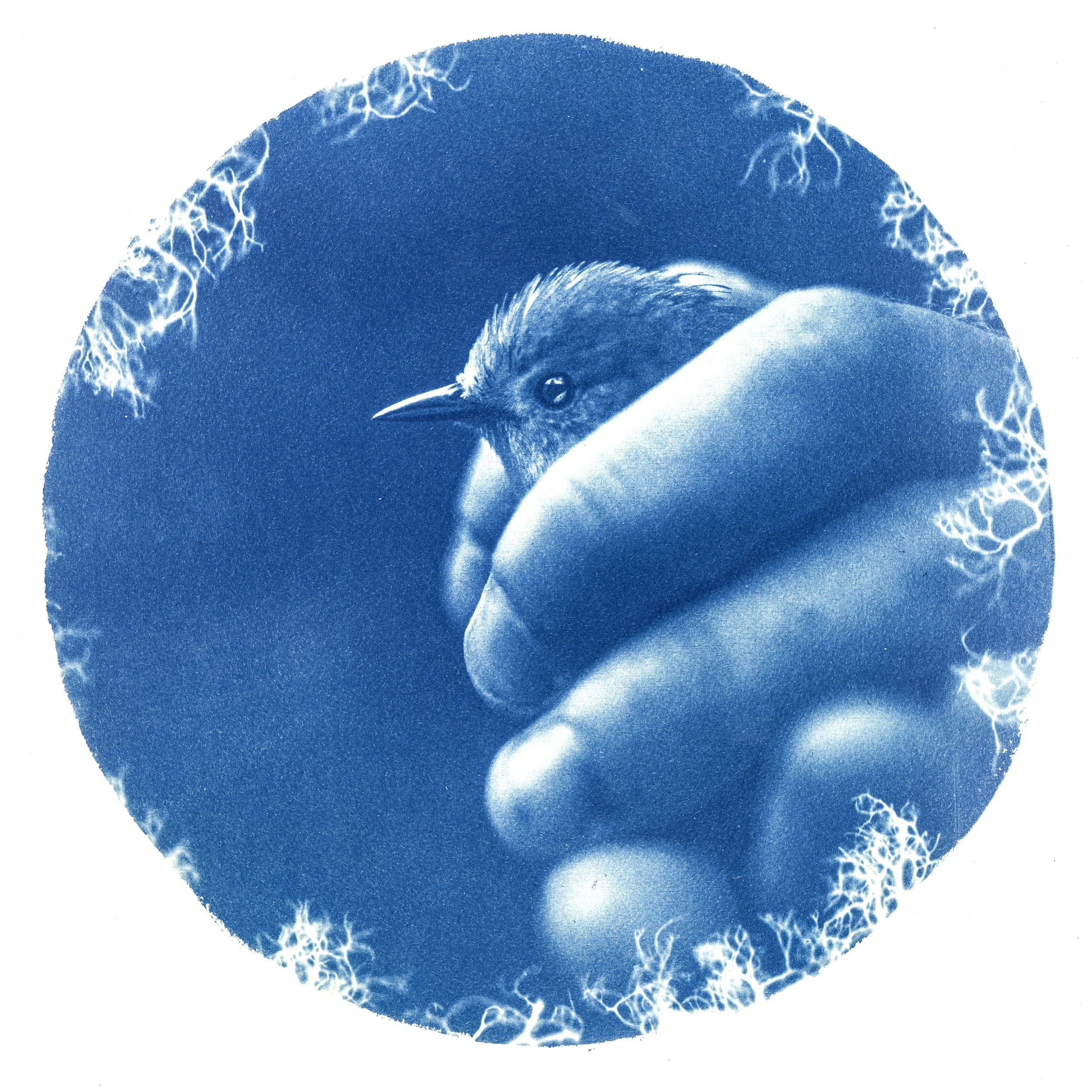
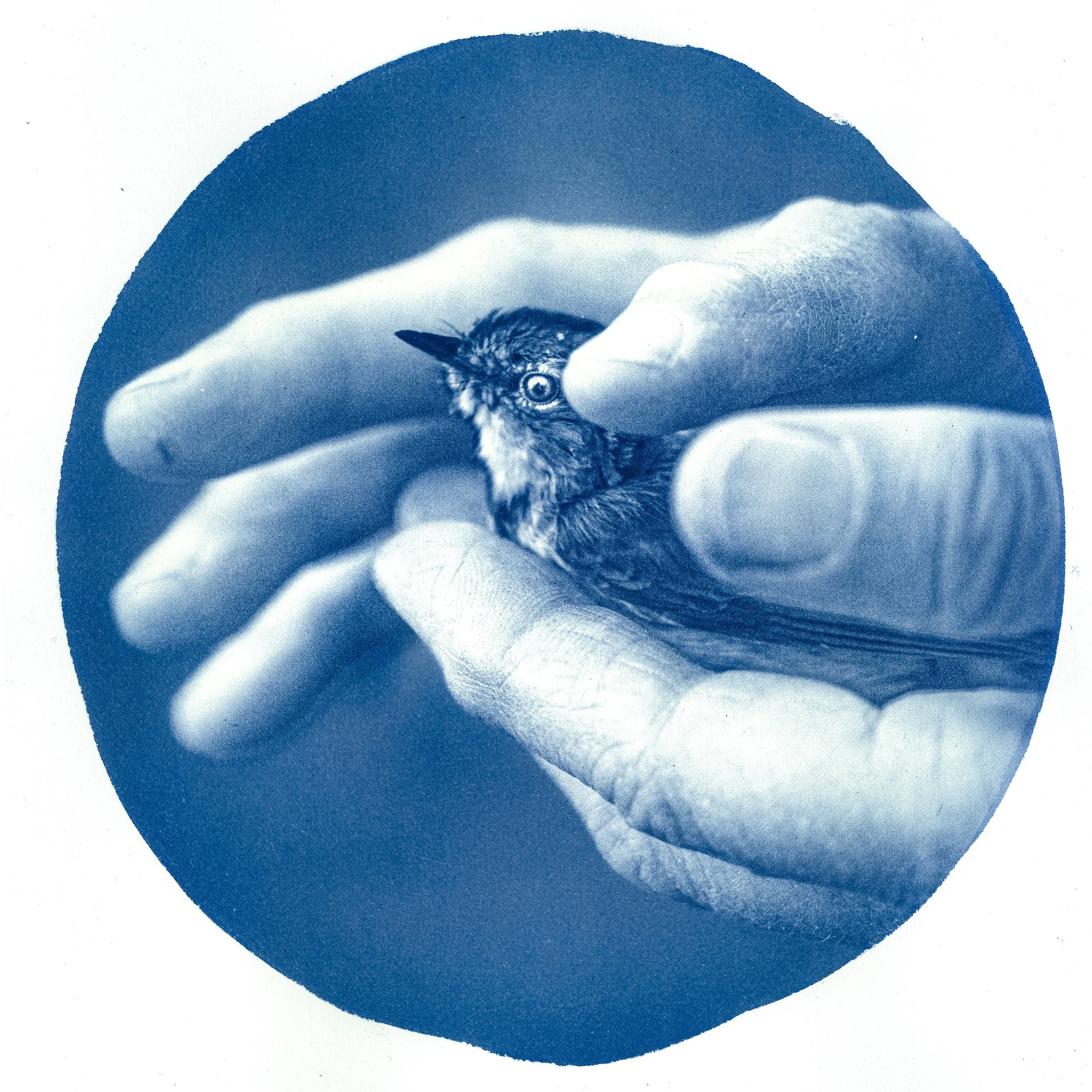
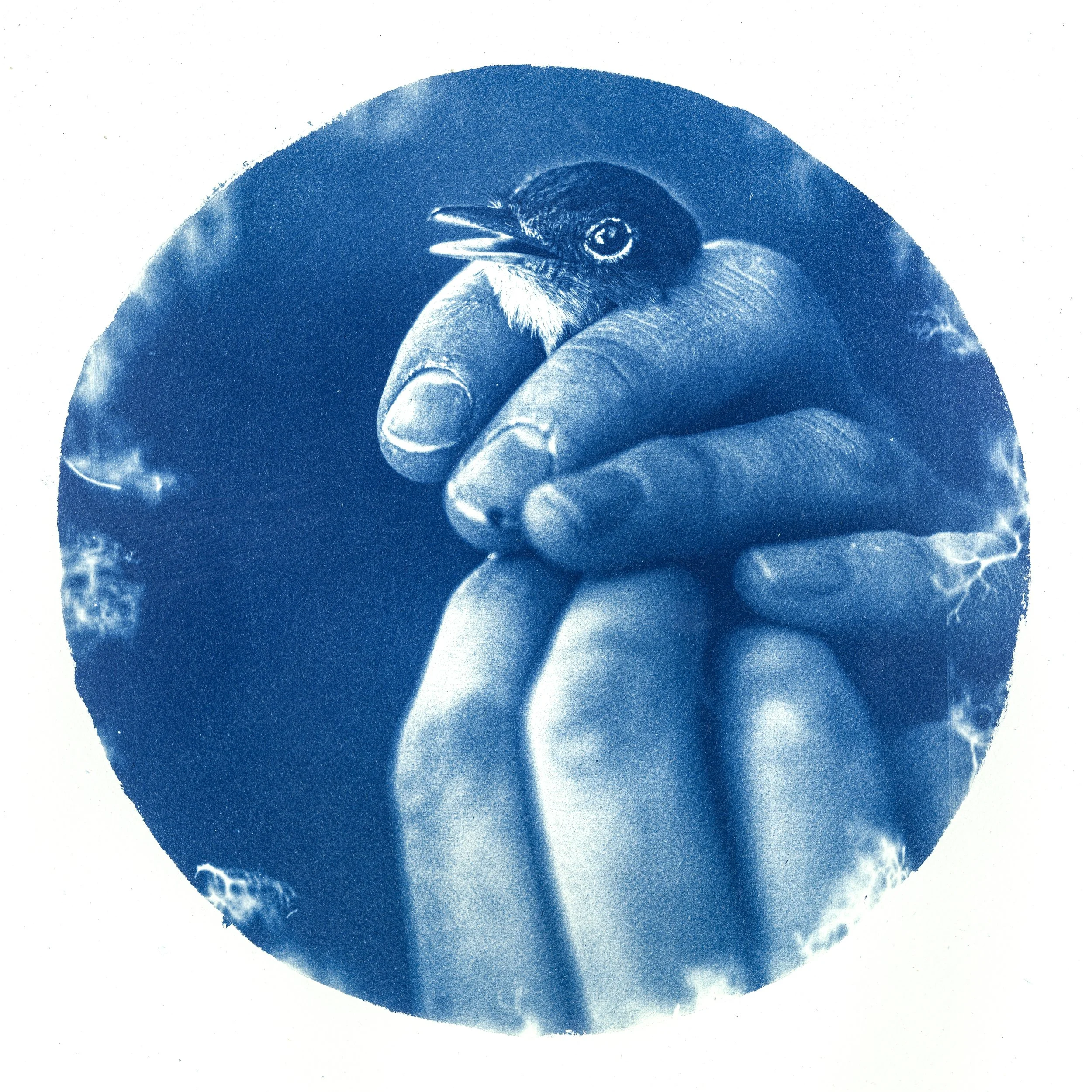
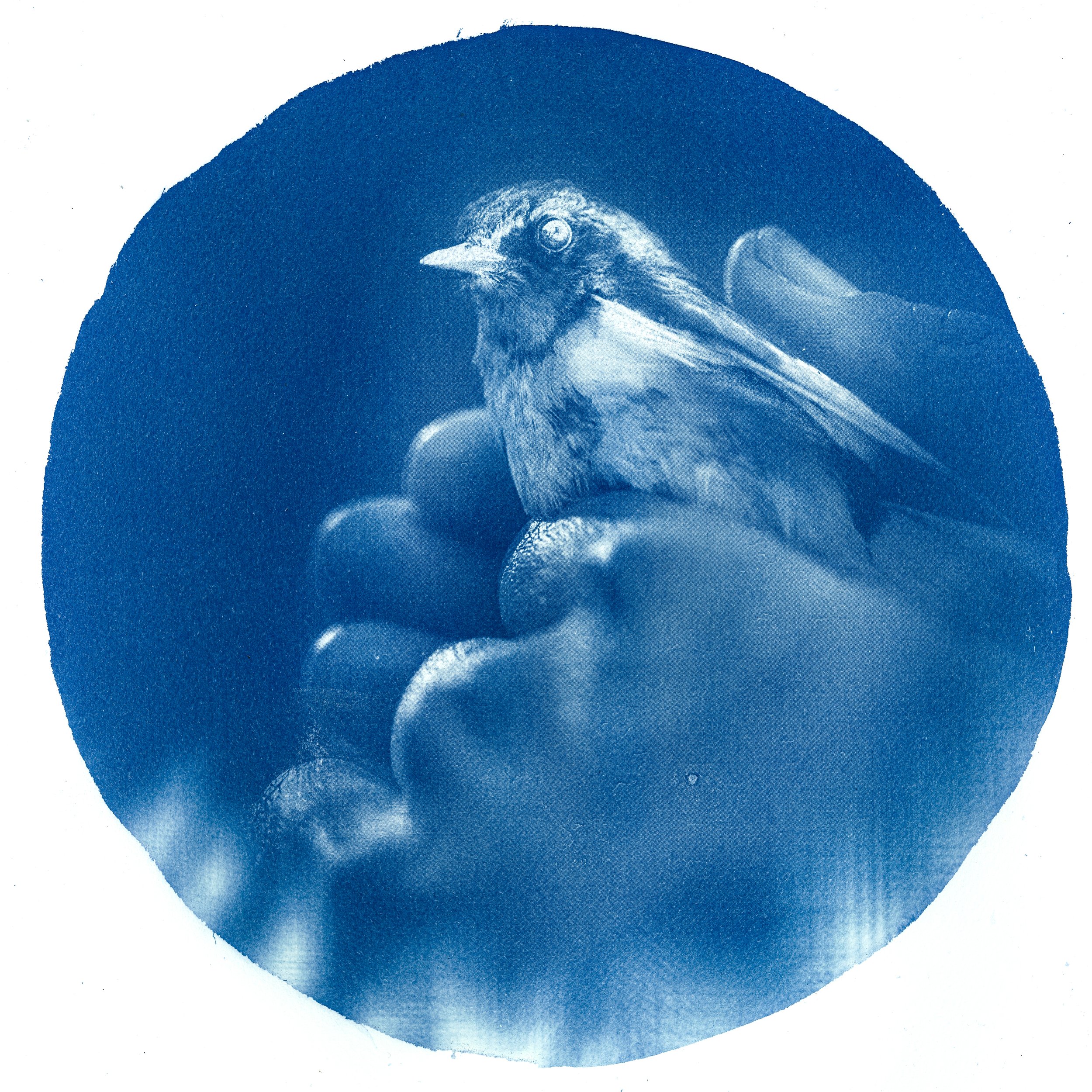
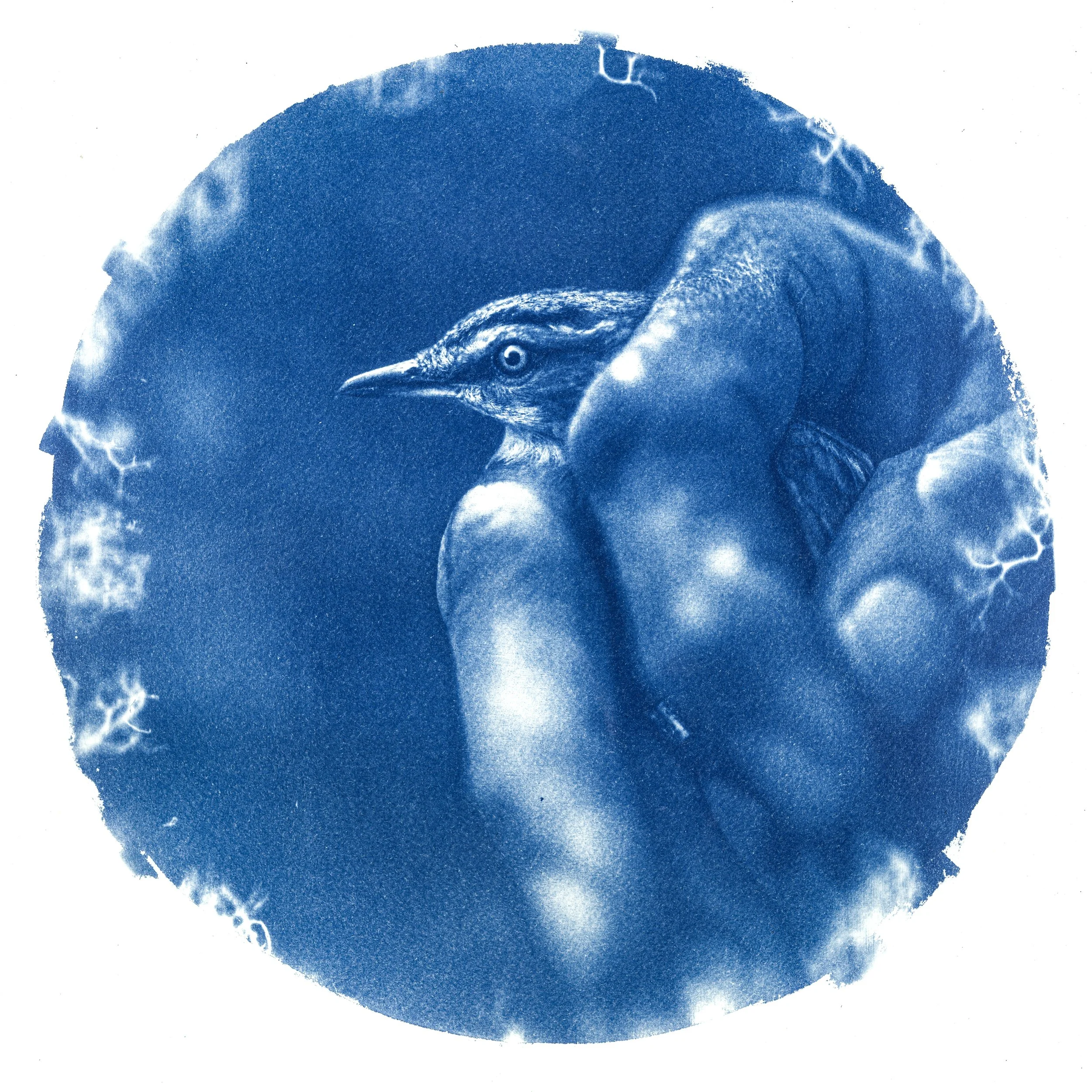
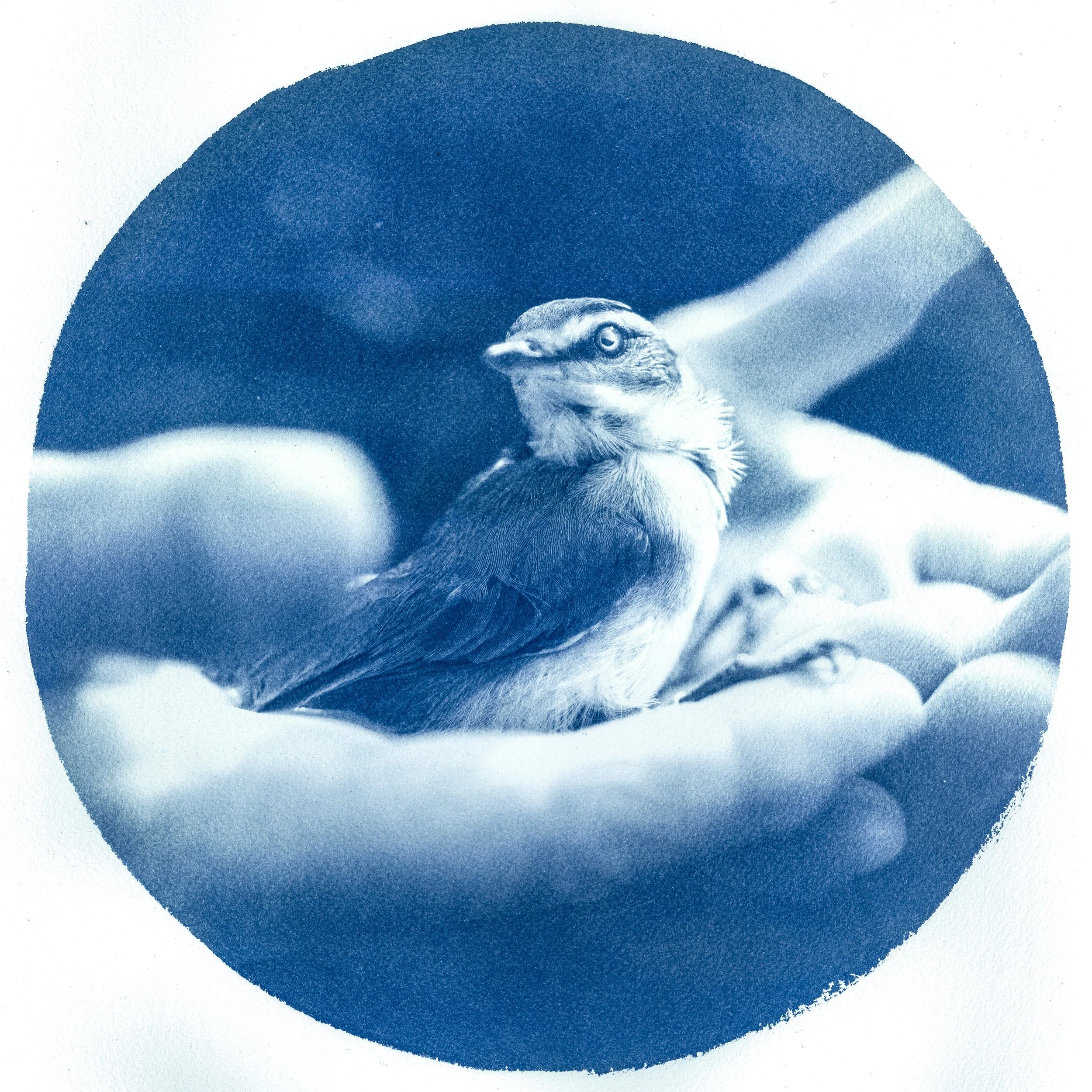
In spring 2026, I showed a collection of photographs of birds being held at banding stations. After being weighed, measured, and banded, the researchers hold each bird reverently before releasing it. In those moments, focusing on cupped hands, the science all felt spiritual, if not fully religious.
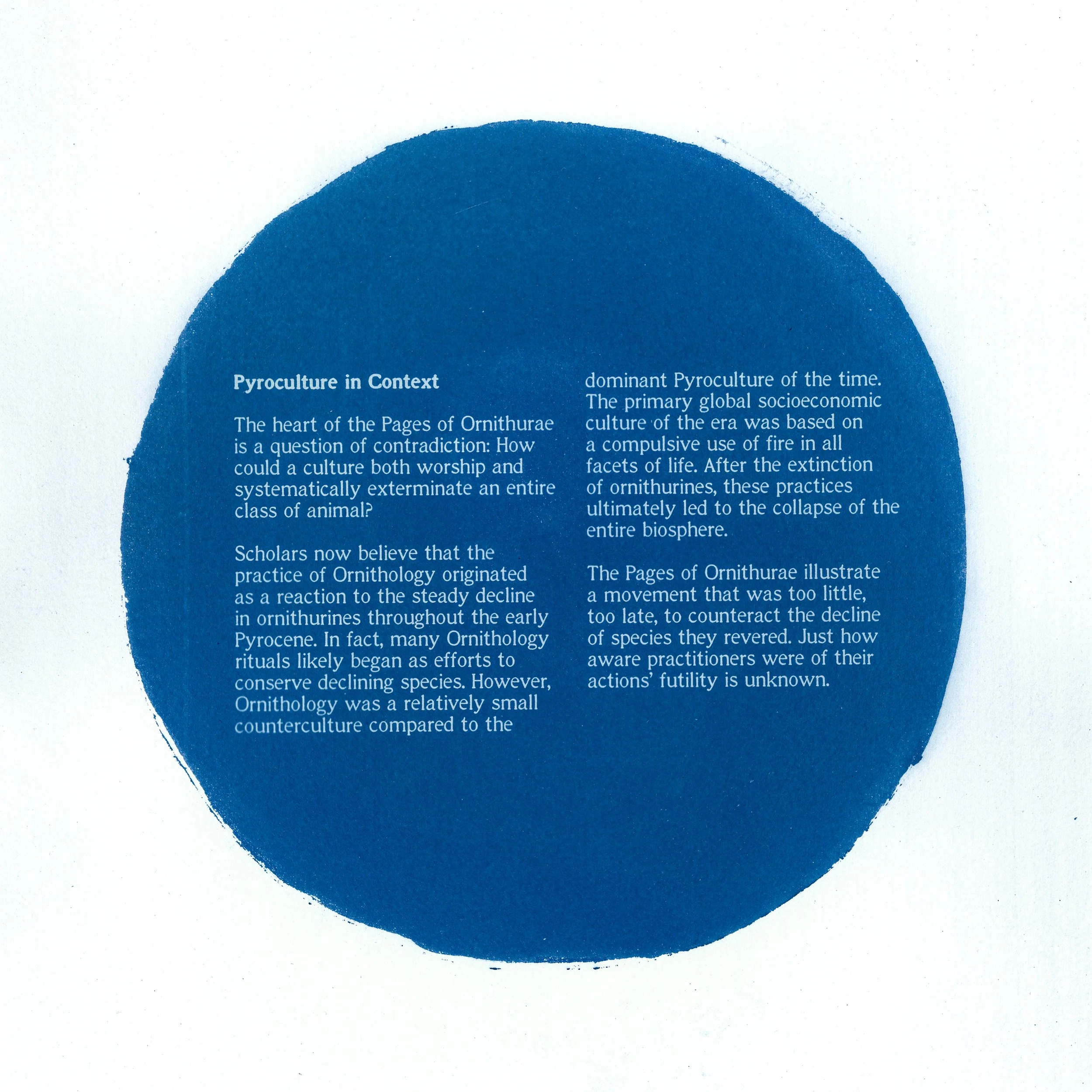
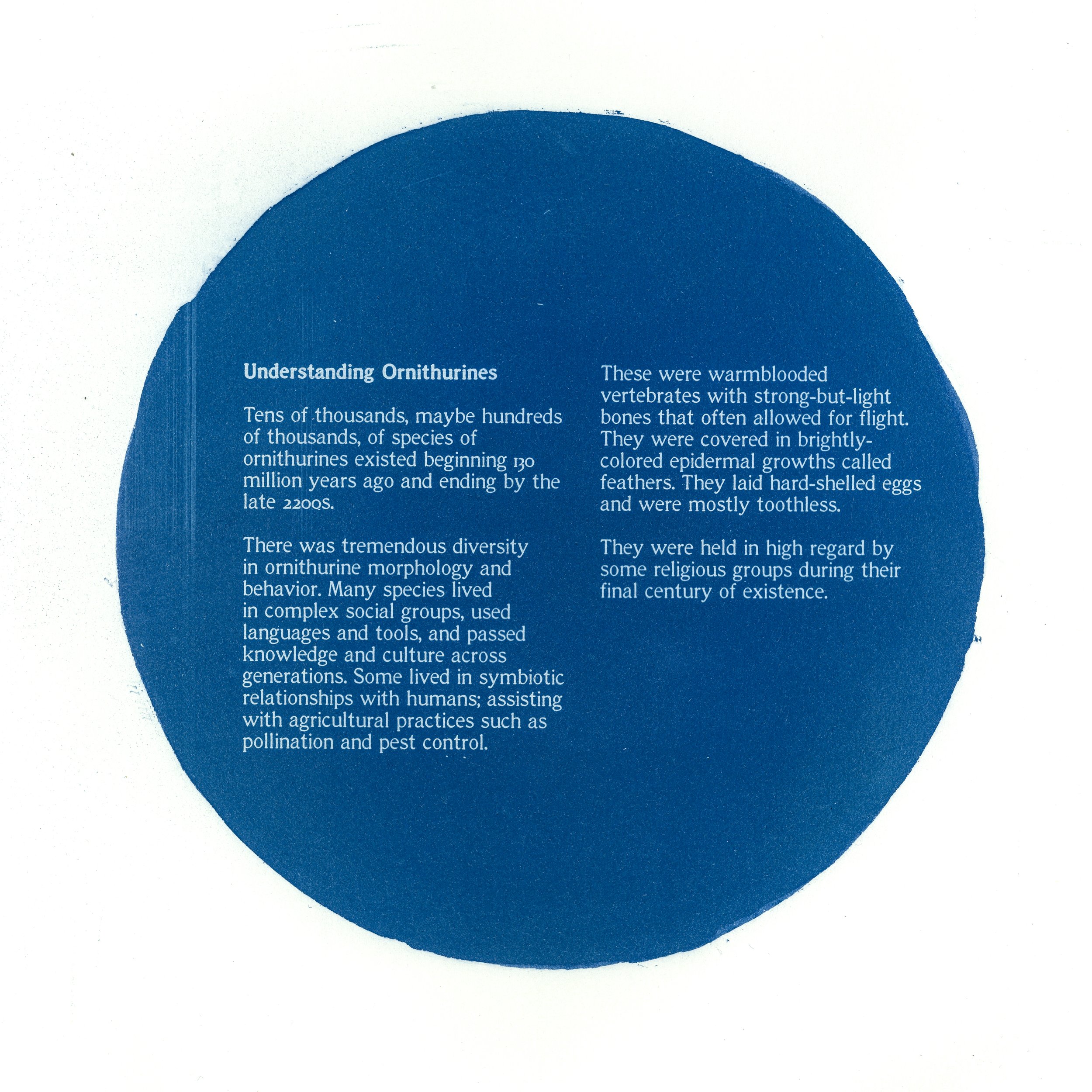
Since dinosaurs are long extinct most of us lump them all into the same taxonomic box: Clade Dinosauria. Most of us do not remember more than a few broad categories of them. Unless you are a birder–in that case you might remember that one group of dinosaurs is not entirely extinct yet, Ornithurae.
From there, it is a few flighty hops of imagination to speculate that in a few thousand years, if birds go extinct, humanity might not remember them very accurately. We might even lump them into one crude category like dinosauria or ornithurae. Without fossils, people might rely on archeological texts, like these photographs, to study them.
I started volunteering at bird banding stations in 2021. At first, holding a living dinosaur was enough motivation to wake up at 4:00AM. But when I realized how deeply perplexing the process of aging individual birds can be, I was obsessed. I spent my winter weekends studying the guides to bird molt. Soon after that I was taking trips to volunteer with other banding stations around the region.
Mostly, I stuck to learning the fickle techniques of bird handling and aging. Often enough, however, during a slow moment before a bird was released, I took pictures and let my mind wander. What if you found these photographs a few thousand years from now? How would you interpret their meaning? Perhaps you would think they depict a kind of religion…
This was the premise of my exhibition of photography at the Good Luck Gallery in Kalispell in 2026. It was a cyanotype photography show of birds and scientists. I sold the prints and donated the profits to Flathead Audubon.
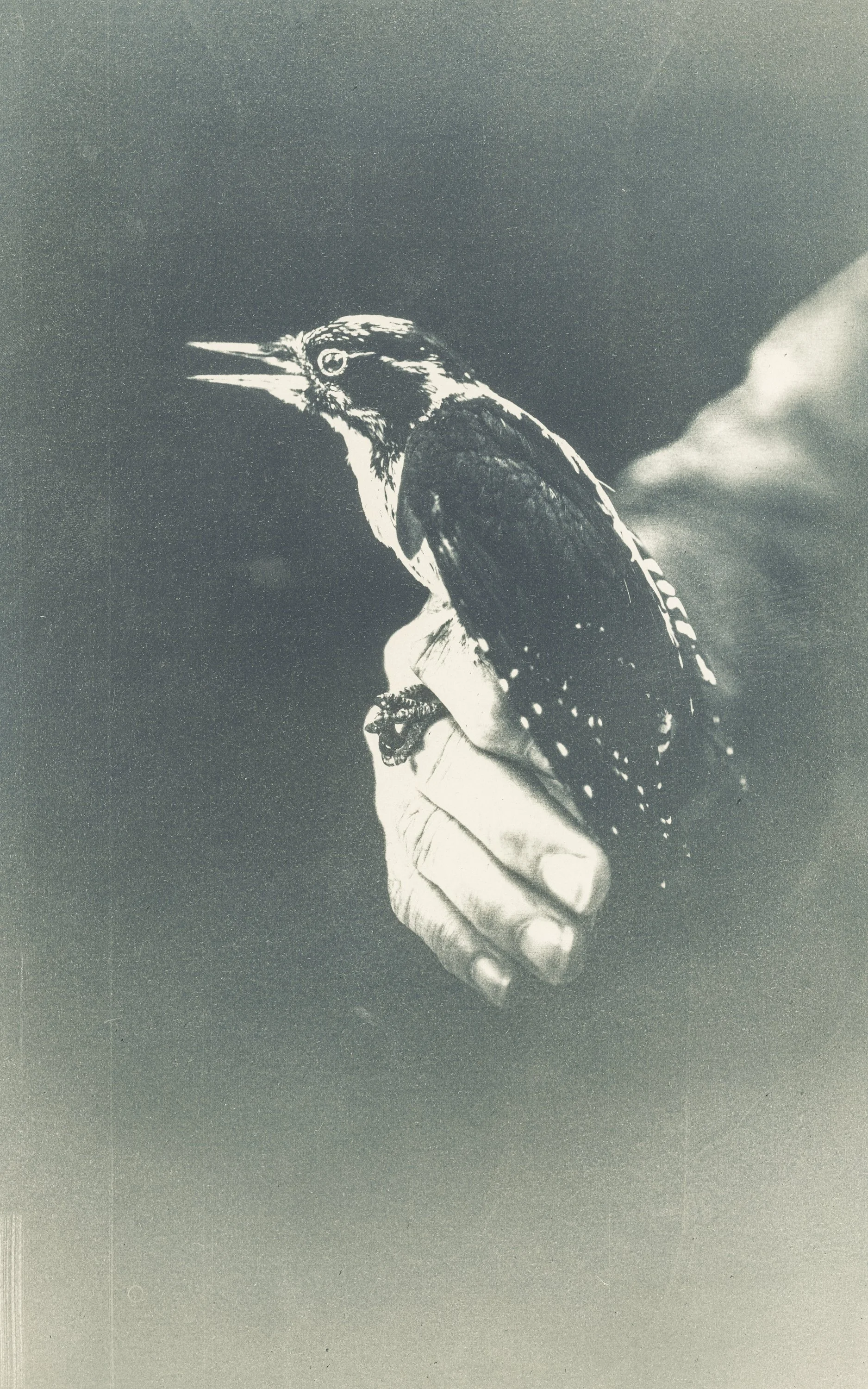
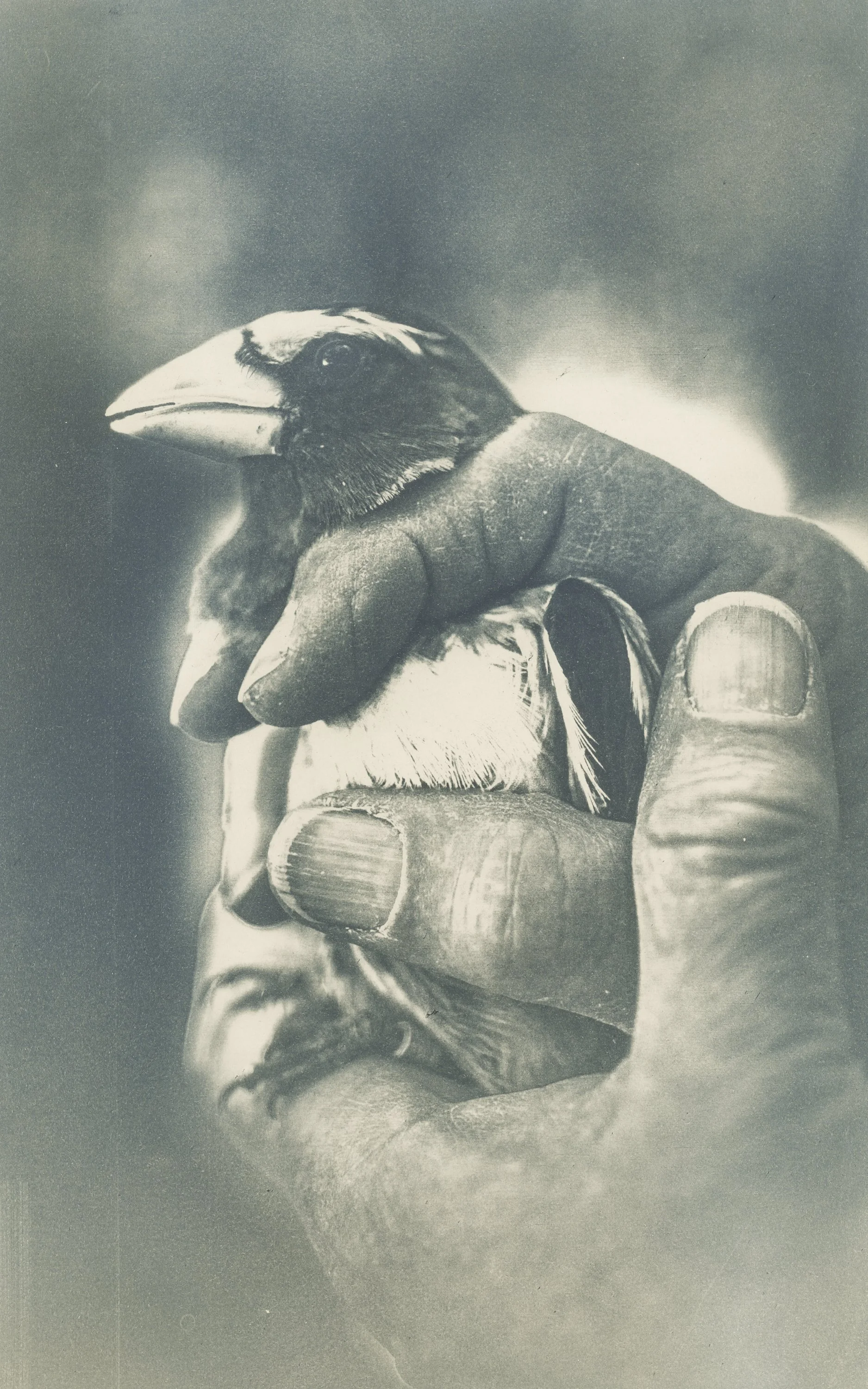
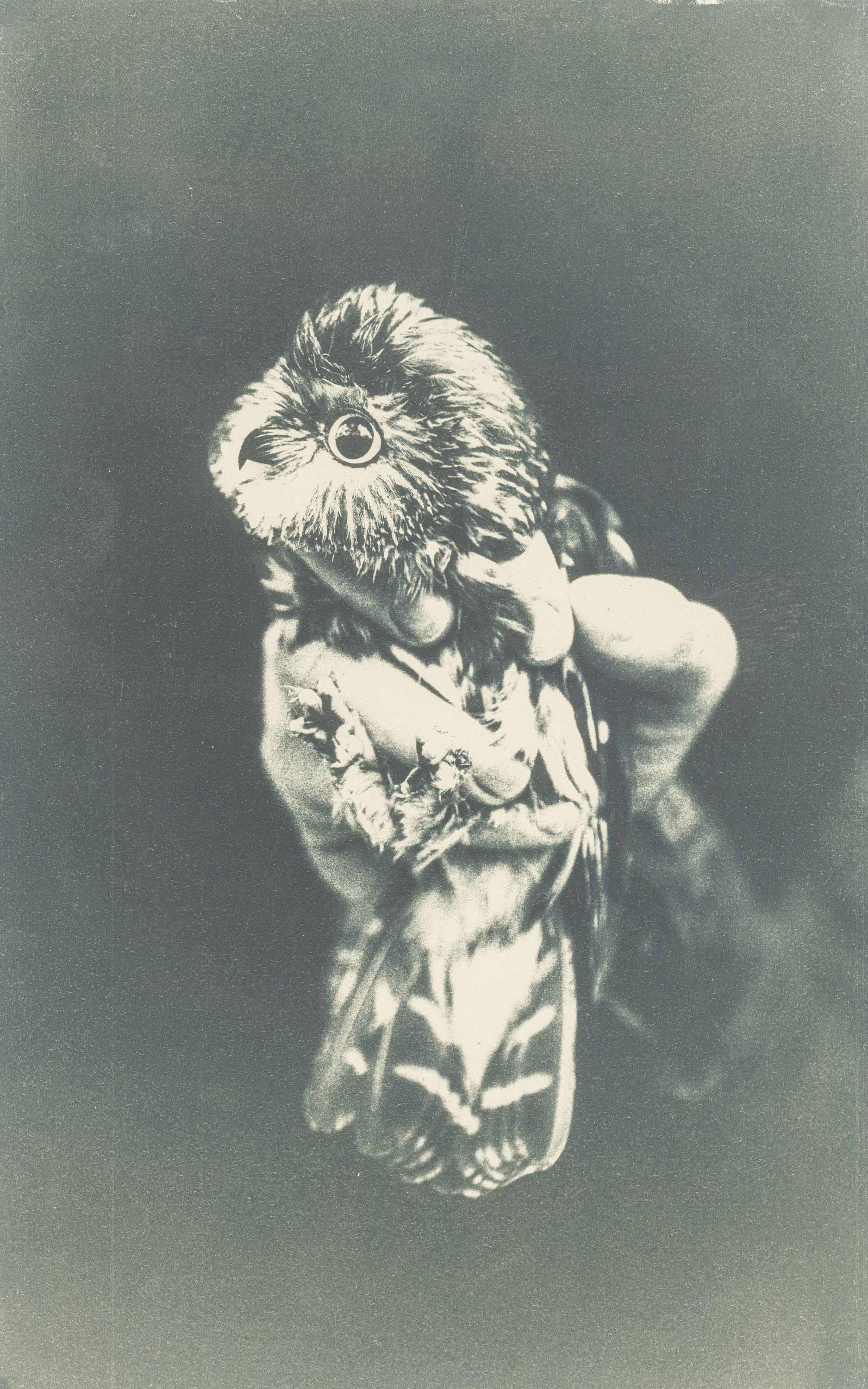
The images were created by a digital camera between 2021 and 2025. They are not staged—subjects were not posing for photographs—and were part of a standardized process in accordance with official regulations and permits. The profits were donated to support bird conservation work through the Flathead Audubon Society.